
Concussion and Post-Concussion Syndrome Treatment in York, PA
Targeted Rehabilitation for Lingering Concussion Symptoms
Harcourt Brain Center in York, Pennsylvania is a next-step rehabilitation center for concussion symptoms that haven’t gone away, including post-concussion syndrome, whiplash-related brain injury and mild traumatic brain injury (TBI). Headaches, brain fog, dizziness, fatigue and light sensitivity can last for weeks or longer, even when CT or MRI scans are normal. After you’ve been medically cleared of emergencies such as bleeding in the brain, Dr. Adam Harcourt uses balance, eye-movement and vestibular testing to find which systems were affected. He then builds a rehabilitation plan around the approaches with the strongest research support, such as combined neck and vestibular rehabilitation and graded aerobic exercise. We work alongside your primary care doctor, neurologist or concussion specialist.
To see how we choose each part of a concussion rehabilitation plan and how strong the research is behind it, read our Clinical Rationale & Evidence page.
If dizziness, blurred vision, eye strain or motion sensitivity have lingered after your injury, read our brief on post-concussion dizziness and vision problems.
If your scans came back normal but dizziness hasn’t gone away, see our brief on chronic dizziness after normal tests.
ABOUT US
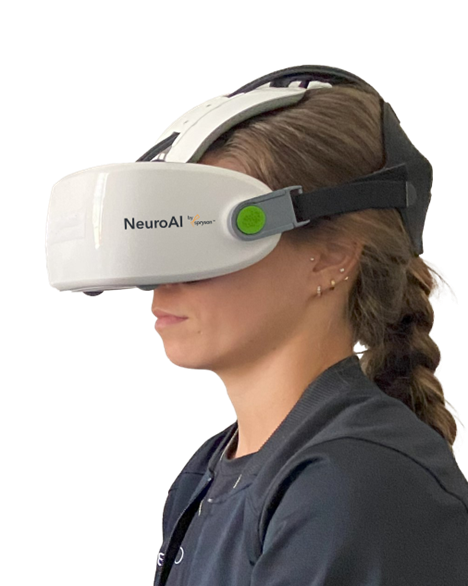
Post-Concussion symptoms usually start 2-4 weeks after a concussion. Brain fog, fatigue, headaches, dizziness, light sensitivity, and more start to creep in and make you not feel like yourself. Once you’ve been cleared at the E.R. and know there are no brain bleeds or major issues, that’s when to see us. An interactive, functional neurological exam helps us identify which brain systems aren’t working as they should, so we can prescribe targeted rehabilitation to retrain them. We may use any one or a combination of Functional Neurology, Physiotherapy, Chiropractic, Low-Level Laser Therapy (LLLT), and Vestibular Rehabilitation to properly treat the real issue.
Post-Concussion Syndrome, Whiplash, and Traumatic Brain Injury (TBI)
A concussion is a mild traumatic brain injury that results in disrupted brain function, stretching and damaging of brain cells. Although most patients don’t realize right away that they have lingering symptoms after a concussion, it can cause effects that are serious, lasting weeks or years.
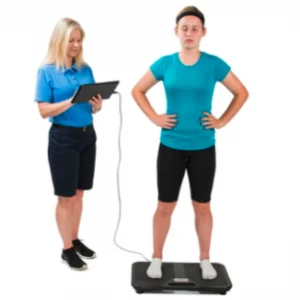
At your initial exam, we will do testing such as balance and postural analysis, peripheral vision awareness testing, and vestibular testing to pinpoint the injured areas of the brain. Each test gives us clues as to where the injured areas are. Customized treatment options can include brain rehabilitation, nutritional programs, customized vestibular rehabilitation, eye movement therapy, neuromuscular rehabilitation, non-invasive peripheral nerve stimulation, high-frequency vibratory therapy, and/or various manual therapies.
You Don’t Have to Lose Consciousness to Have a Concussion
Concussion is one of the most misdiagnosed and under-diagnosed conditions. Just because there wasn’t a brain bleed or you didn’t lose consciousness, doesn’t necessarily mean you didn’t sustain a concussion. Some of our worst post-concussion syndrome cases have been from whiplash and the patients went way too long being mismanaged and mistreated because no one thought about concussion since there was never an actual hit to the head. The stretching and damaging of brain cells can happen from things like whiplash, a hit to the body, strong, jerky movements like riding a rollercoaster, and more.
Low-Level Laser Therapy (LLLT)
A Non-Invasive Treatment for Healing and Inflammation
Cold Laser Therapy is also one of the options we can use to treat your post-concussion symptoms. LLLT precisely targets injured areas of the brain, reduces inflammation while promoting bio-stimulation at a cellular level in the areas of the symptoms’ origination. LLLT does not produce heat and is completely painless. It works great with or without other treatments, but combined with our other treatments, it is a very powerful treatment for your brain.
Targeted Relief: Unlike invasive surgery or prescription medications that can have harmful side effects on other organs in the body, LLLT’s ability to precisely target and treat brain centers means the only action that occurs during treatment is the painless bio-stimulation of the affected areas. This, in turn, will leave your body and brain better able to recover and return to an active lifestyle.
Obvious Choice: When combined with our cutting-edge treatments, LLLT increases your chances for success. Our #1 goal is to get you feeling normal again as quickly as possible using the most state-of-the-art treatments available.

People Who Sustain a Brain Injury are 3X More Likely to Sustain a 2nd Brain Injury and 8X More Likely to Sustain a 3rd
Actually Prevent Future Concussions!
Dr. Harcourt has also developed a very exciting, one-of-a-kind program that can actually help prevent future concussions! His program improves reaction time and neck strength simultaneously to keep concussion from happening in the first place, OR to prevent additional concussions from happening. We employ the Dynavision D2 with specific, customized sequences based on what that particular patient needs to improve on based on their initial exam.
The program is 4 weeks of customized therapies including Dynavision D2 treatment, which improves reaction time, speed and coordination so that you can see a hit coming and be much more likely to avoid it. If you can see a hit coming a react quicker, even getting 1 more inch out of the way turns a direct, concussive hit into a smaller, bounce-off hit.
Secondly, we use a cutting-edge device called the Iron Neck® to increase neck strength so that if an impact does happen, the neck will absorb most of the impact rather than the brain. Dr. Harcourt discovered the Iron Neck® when he went to the Super Bowl in Houston, TX in early 2016, where he attended the First and Future event, which is basically Shark Tank for the NFL. Every NFL team uses this device at this point. Focused, specific neck strengthening exercises will prevent a more serious concussion if a hit does happen. Research has shown that for every 1 pound of increased neck strength, concussion risk drops by 5%. With our neck strengthening program, patients are improving their neck strength by up to 17 pounds – Do the math!*
The Harcourt Brain Center Concussion Prevention Program is preventing both adults and children from getting their first, OR additional concussions. Multiple concussions are often seen to make symptoms worse and worse each time. After an initial concussion, subsequent concussions can happen with much smaller hits, and the symptoms are much more severe. We see that the symptoms are either compounded on top of each other, or that additional symptoms occur with more hits to the head – even small hits.

Young Brains Are More Susceptible to Concussion
Young brains are more susceptible to head injury than adult brains. Young brains may also require more time to recover. After a concussion, the possibility of sustaining another concussion is greater, in addition to the amount of time it may take to resolve the new condition. New information now indicates that females may be more susceptible than males and that susceptibility may be genetically linked. This is why we recommend that young people do our concussion prevention program whether they’ve ever had a concussion or not. If they have, it is even more important to take this step after rehabilitating from the initial concussion.
What Our Patients Say
Real reviews from concussion patients and families on Google
“My son was struggling with a concussion and ongoing post-concussion symptoms that were affecting every part of his life ... His headaches have eased, his focus has improved, and his overall mood and confidence have come back in a way I wasn’t sure we’d ever see again.”
5 out of 5 stars on Google · Parent of a patient
“Dr. Harcourt was the only one who suspected that it was actually a concussion after a brief exam ... her excruciating headaches began to resolve almost immediately once we started treating (med-free)! ... she is back to school and activities and life.”
5 out of 5 stars on Google · Parent of a patient
“I spent years looking for answers. Not only did I finally be heard but I was also given a lot of useful information about my concussion. ... I began seeing some improvements within the first 3 weeks.”
5 out of 5 stars on Google
Frequently Asked Questions
Where can I get post-concussion syndrome treatment in York, PA?
Harcourt Brain Center, at 221 W. Philadelphia St., Suite 303 in York, PA, provides functional neurological and vestibular rehabilitation for post-concussion syndrome, whiplash, and mild traumatic brain injury. Call 717-483-8734 to schedule.
When should I see a specialist after a concussion?
Go to the emergency room first for any head injury with red-flag symptoms. If headaches, dizziness, brain fog, fatigue, or light sensitivity are still present weeks after you have been medically cleared, that is a good time for a functional neurological evaluation.
Can you have a concussion without hitting your head or losing consciousness?
Yes. Most concussions happen without loss of consciousness, and whiplash or a jarring hit to the body can stretch and injure brain cells without a direct blow to the head.
My CT or MRI was normal, so why do I still have symptoms?
Standard imaging mainly rules out structural problems such as bleeding. Concussion often affects how brain systems function, which is why we use balance, eye-movement, and vestibular testing to find the areas involved.
What does concussion treatment include?
Depending on exam findings, a plan may include vestibular rehabilitation, eye-movement therapy, balance and neuromuscular rehabilitation, nutritional support, manual therapies, non-invasive peripheral nerve stimulation, and low-level laser therapy.